

Before the Labels
The Importance of Asking Unifying Questions

I have a story to tell.
And the beginning sounds like a joke.
A Jewish man in his fifties, a Christian guy in his forties and a Muslim guy in his thirties walk into a yoga studio.
Except this is not a joke.
It’s a story about friendship. It’s a story about synergy. It’s a story about communion.
Over the course of six weeks, these three men attended yoga classes together. They joined common events, shared meals, talked about travel, life, relationships and the strange paths that had brought each of them to that moment.
There were Indian dinners.
Long conversations.
Laughter.
The beginning of a friendship.
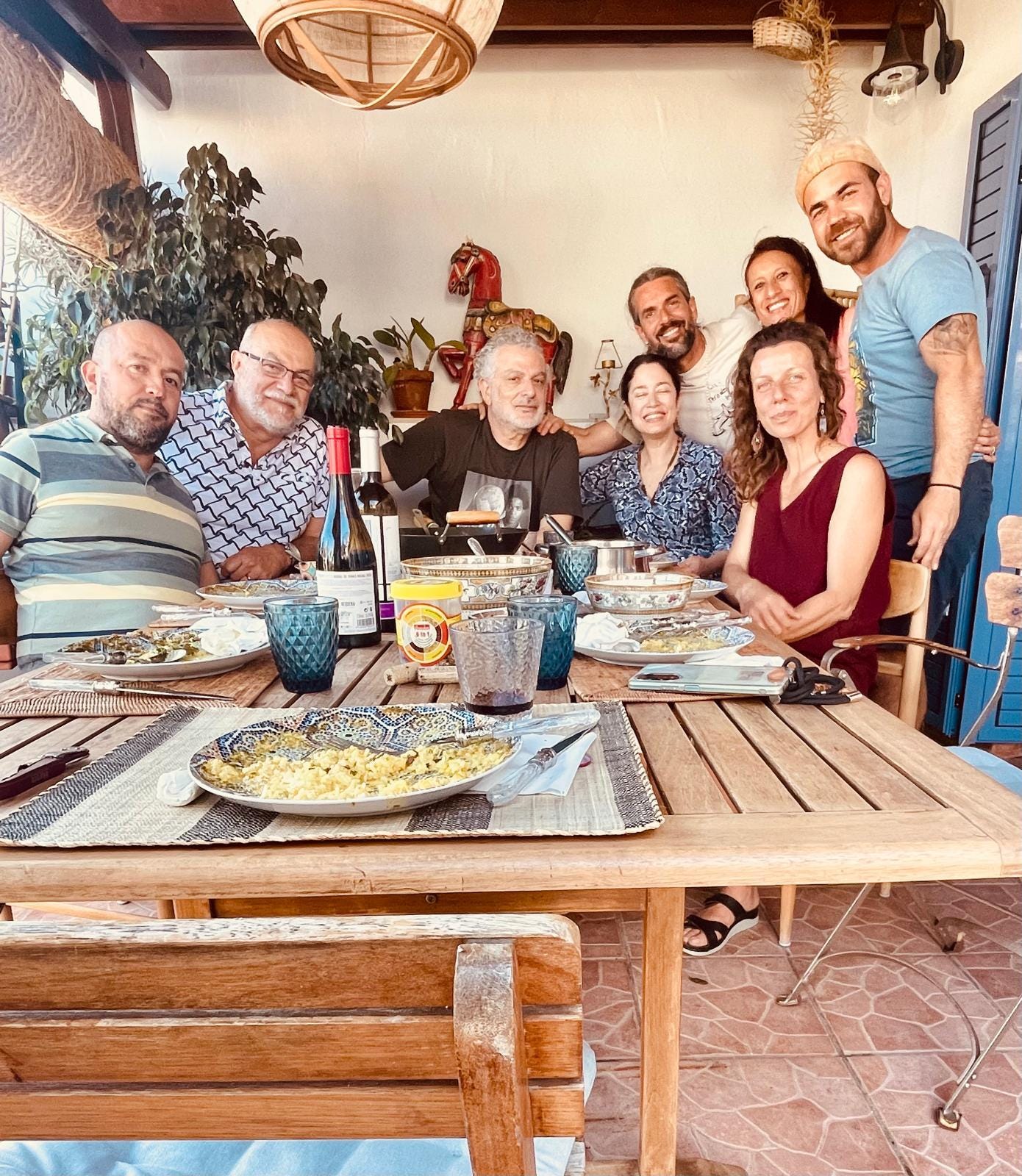
What makes this story interesting is that during those six weeks, none of them knew they represented three religions that have spent centuries dividing humanity.
The Jewish man was simply French.
The Christian man was simply Italian.
The Muslim man was simply Kurdish.
Only later did we discover that we had all been born into different branches of the same Abrahamic family tree.
Three traditions. Three narratives. Three identities inherited through history, culture, family and geography.
Religions that share common ancestors, common stories, common prophets and yet have often been presented as separate worlds.
What fascinates me is not that we belonged to different traditions.
What fascinates me is that for six weeks, it didn’t matter.
For six weeks, nobody introduced themselves through religion.
Nobody defended a belief system.
Nobody asked which side the others belonged to.
We met as human beings first.
Then one day, almost six weeks later, I asked the French man a question:
“What ethnicity were you born into?”
His answer surprised me.
Jewish.
A little later, the realization landed.
A Jew.
A Christian.
A Muslim.
Six weeks together.
Without knowing.
Without caring.
Without making it relevant.
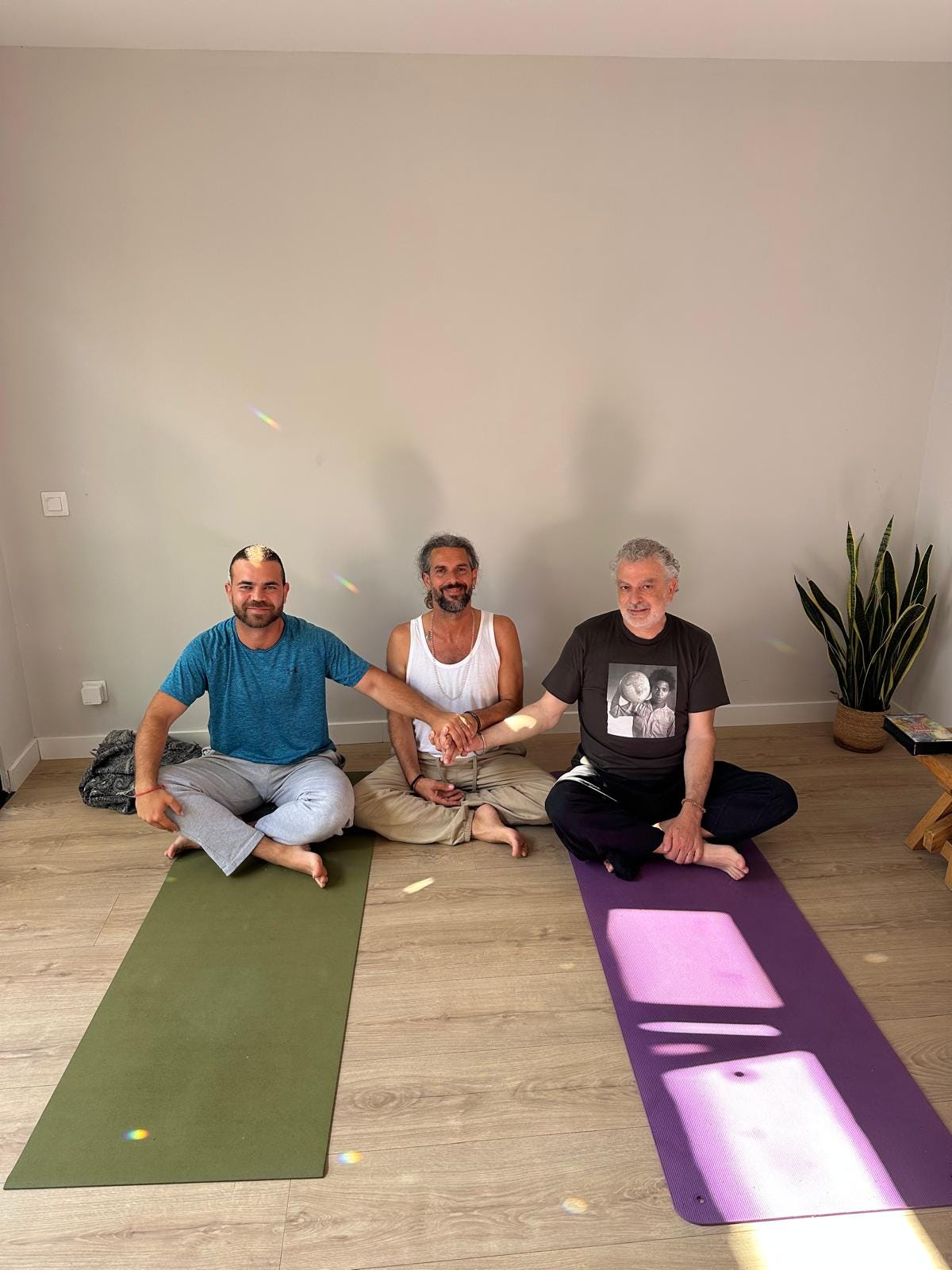
The three of us took a picture together that day.
Not because we had discovered our differences.
But because we had already discovered something more important.
Our humanity.
This experience left me with a question.
Some people might ask:
Who was the teacher?
The Jew, the Christian, or the Muslim?
Some people might ask:
Who led whom?
Who belonged to which group?
Who influenced whom?
Or perhaps:
Did anything change once they discovered they came from different religions and ethnic backgrounds?
These questions have their place.
But they often establish hierarchy, separation and identity before connection has had a chance to emerge.
What interests me more is this:
How did it take six weeks before any of us even thought to ask?
How did three men, born into traditions that have shaped so much of human history, spend more than a month together without making those identities relevant?
And what if that is the lesson?
What if the most important questions are not the ones that help us categorize people?
What if the most important questions are the ones that help us encounter them?
Maybe friendship begins when we become curious about a person’s experience rather than their label.
Maybe communion begins when shared humanity becomes more interesting than inherited identity.
Maybe the unifying questions are the ones that allow us to discover what we have in common before we discover what makes us different.
I’m curious.
Why do you think it took six weeks?